
Graphic Design Unlimited - Program
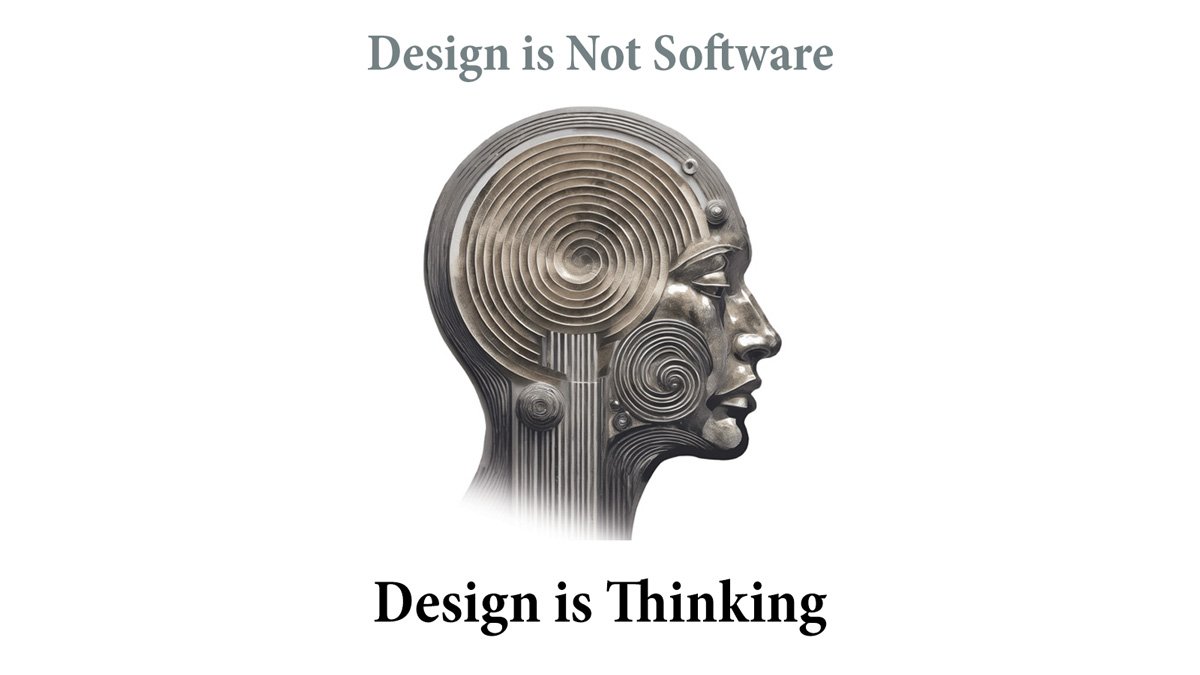

Design thinking goes deeper than tools.
Graphic Design Unlimited is a long-term, practical learning program created to explain how graphic design truly works in real professional environments — beyond software versions, shortcuts, and trends.
This program focuses on thinking, understanding, and execution — not just tools.
Students learn through structured topic-based lessons, observation exercises, practical assignments, and guided correction.
The goal is not passive watching, but active understanding and real capability.
✔️ This program is meant for:
- Students who want to learn design seriously
- Parents looking for skill-based, practical education
- Learners who value clarity and long-term growth
✖️ This program is NOT:
- A shortcut-based course
- A software-only training
- A guaranteed placement scheme
Design careers are built with patience, clarity, and consistent practice — not promises.
2. A Note to Students and Parents

Design is thinking. Tools only assist the process.
Choosing a career-oriented course is an important decision — for students as well as parents.
This prospectus is not meant to impress you with big promises or attractive words.
It is meant to help you understand clearly what this program is, and what it is not.
For Students
Graphic design is often misunderstood.
Many people believe that learning a few software tools or using AI automatically makes someone a designer.
In reality, graphic design is a thinking-based profession. Software and AI are only tools. The real work happens in the mind — understanding messages, audiences, and purpose.
This program is designed for students who want to:
- Learn how design actually works in real life
- Understand why a design works, not just how to create it
- Build confidence to handle real design work independently
If you are looking for shortcuts, instant results, or quick money, this program is not for you.
If you are ready to learn patiently and seriously, it can change the way you think forever.
For Parents
This is not a traditional degree program.
It does not focus on certificates or marks.
Instead, it focuses on practical ability.
Your child will learn:
- How visual communication works
- How design is used in print, digital, and social media
- How to approach real-world design tasks responsibly
The objective of this program is not to sell dreams, but to develop usable skills that remain relevant even when technology changes.
Clear statement:
We do not promise jobs.
We teach skills that make students capable of finding or creating work.
3. What Is Graphic Design, Really?

Design is a process, not decoration.
Graphic design is often misunderstood as decoration, software work, or visual styling.
In reality, graphic design is a visual communication process.
It is the discipline of conveying messages clearly and purposefully using visual elements such as text, shapes, colors, images, and space. Every design exists for a reason — to inform, explain, guide, persuade, or create understanding.
Graphic design does not begin with a computer.
It begins with thinking.
Before any software is opened, a designer must first understand:
- What message needs to be communicated
- Who the audience is
- Where and how the design will be used
Only after this clarity comes execution.
Design Is a Thinking Process
Graphic design follows a clear hierarchy:
Thinking → Visual Planning → Technical Execution
Software tools and artificial intelligence operate mainly at the final stage. They help in execution, but they cannot replace judgment, understanding, or responsibility.
A design created without thinking may look attractive, but it often fails to communicate.
A well-thought-out design may appear simple, yet it works effectively in real-world situations.
Graphic Design Is Not Just Creativity
In graphic design, creativity is not decoration or self-expression alone.
It is the ability to solve visual problems.
A designer’s responsibility is to:
- Interpret information correctly
- Organize it visually
- Make it understandable for the intended audience
This applies equally to print, web, and social media design.
Where Software and AI Fit In
Software and AI are powerful tools.
They make work faster and more efficient.
However:
- Software follows instructions
- AI generates possibilities
The responsibility for accuracy, relevance, and quality always remains with the designer.
Without a strong foundation in graphic design, software and AI may produce technically correct results that are conceptually weak.
The Foundation That Matters
True graphic design is built on:
- Observation and understanding
- Visual logic and structure
- Clarity of purpose
- Awareness of medium and audience
These fundamentals remain constant, even as tools, software versions, and technologies change.
This program focuses on building this foundation first — because tools evolve, but design thinking does not.
Graphic Design Is Built on Human Perception
Graphic design does not begin with software.
It begins with human perception and understanding.
Every design decision depends on how humans think, see, hear, feel, and respond. These processes are governed by our sense organs — the brain, eyes, ears, mouth, and nose — which together form the foundation of how we interpret and express meaning.
It is not a coincidence that all major sense organs are located above the neck.
Thought, perception, attention, confusion, clarity, curiosity, and confidence — all are expressed through the human face.
Even emotions, though often felt internally, are understood by others through facial expression. From the body below the neck, we cannot accurately judge thought, intention, or understanding. This is why visual communication — and graphic design in particular — depends so strongly on observing human response, not tools.
Graphic design is therefore not decoration or software operation.
It is a visual communication process rooted in how humans perceive, interpret, and respond to information.
Software and artificial intelligence can assist execution, but they do not think, feel, or judge. Responsibility for clarity, relevance, and meaning always remains with the human designer.
For this reason, our versionless graphic design program is built on human input and human output, not on changing software versions. Tools evolve, but human perception does not. By grounding design education in observation, awareness, and thinking, we ensure learning remains timeless, adaptable, and meaningful in real-world design situations.
Graphic design education therefore cannot depend only on changing software versions.
It must develop observation, thinking, judgment, and understanding that remain useful across evolving technologies.
4. Why Most Courses Fail Students

Many graphic design courses fail students not because design is difficult,
but because design is taught incorrectly.
Most programs focus on tools, speed, and surface-level output.
Very few focus on thinking, understanding, and responsibility — which are the foundations of real graphic design work.
As a result, students often complete courses feeling confident,
but struggle when faced with real-world design situations.
Overemphasis on Software, Not Design
One of the most common problems is software-first teaching.
Students are taught:
- Which buttons to click
- Which tools to use
- How to recreate existing designs
But they are rarely taught:
- Why a design works
- When a design fails
- How to make decisions independently
When software changes, this knowledge becomes outdated.
The student is left confused and dependent.
Copy-Based Learning Instead of Thinking
Many courses rely heavily on:
- Ready-made templates
- Step-by-step copying
- Repetitive demo-based assignments
This creates output without understanding.
Students may produce attractive-looking work,
but they cannot explain their choices or adapt their skills to new problems.
Real design work does not come with instructions.
It requires judgment.
Lack of Real-World Context
Another major reason for failure is the absence of real-world exposure.
Students are rarely taught:
- How clients think
- How printing actually works
- How design changes across print, web, and social media
- How mistakes affect cost, time, and credibility
Without this context, design education remains theoretical or artificial.
Unrealistic Promises and Expectations
Some courses attract students by promising:
- Guaranteed jobs
- Quick income
- Instant success
These promises create false expectations.
When students enter the professional world,
they face pressure, confusion, and self-doubt — not because they lack talent,
but because they were never prepared for reality.
The Result: Confident Students, Weak Foundations
When design education focuses on tools instead of thinking,
students may feel confident initially, but their foundations remain weak.
This leads to:
- Dependence on software or AI
- Difficulty handling new challenges
- Inconsistent quality of work
Confidence without understanding is fragile.
What Actually Works
Effective graphic design education focuses on:
- Thinking before execution
- Understanding purpose and audience
- Learning fundamentals that do not change
- Applying design across multiple mediums
This is slower, more demanding, and less flashy —
but it builds lasting capability, not temporary confidence.
5. Our Philosophy: Versionless Design Education

Graphic design tools, software versions, and technologies change continuously.
Design principles do not.
Most design education is built around current tools.
This program is built around lasting understanding.
Graphic Design Unlimited follows a versionless design education philosophy —
an approach that focuses on fundamentals, thinking, and real-world application rather than temporary software knowledge.
What “Versionless” Really Means
Versionless education does not mean ignoring tools or technology.
It means not depending on them.
In this approach:
- Software is treated as a tool, not as knowledge
- AI is treated as an assistant, not as a decision-maker
- Updates and new versions do not disrupt learning
When students understand why design works,
they can adapt easily to how tools change.
Design First, Tools Later
This program follows a clear learning order:
Design Thinking → Visual Principles → Application → Tools
Students first learn:
- How to observe and analyze
- How to understand purpose and audience
- How to structure information visually
Only then are tools introduced —
to support execution, not to define it.
This creates designers who think independently, adapt confidently, and remain relevant even as technologies continue to evolve.
Learning is structured progressively through lessons, topics, observation, practice, and feedback — allowing students to build understanding step by step instead of memorizing software procedures.
Learning That Transfers Across Mediums
Real-world design does not exist in isolation.
A designer must be able to move between:
- Print design
- Digital and web design
- Social media communication
Versionless education focuses on principles that transfer across these mediums,
instead of teaching each platform as a separate, disconnected skill.
Responsibility Is Part of Design Education
Good design education also teaches responsibility.
Students learn:
- That every design decision has consequences
- That mistakes affect cost, time, and credibility
- That clarity and accuracy matter more than visual effects
This mindset prepares students not just to design,
but to work professionally and independently.
The Long-Term Advantage
Versionless design education may feel slower at first.
It requires patience and effort.
But it creates designers who:
- Are not dependent on specific software
- Can adapt to new tools and technologies
- Understand design beyond trends
- Remain relevant over time
This is the foundation on which Graphic Design Unlimited is built.
6. Program Overview: Graphic Design Unlimited
Graphic Design Unlimited is a long-term, structured learning program designed to build strong graphic design foundations and real-world capability.
This program is not organized around software timelines or quick outcomes.
It is organized around how design understanding develops over time.
Program Duration and Format
- Duration: 10 Months
- Mode: Online, guided learning
- Approach: Concept-driven, practical, versionless
The program is paced to allow:
- Time for understanding
- Time for practice
- Time for correction and improvement
Rushing is avoided deliberately.
Who This Program Is Designed For
Graphic Design Unlimited is designed for:
- Beginners with no formal design background
- Learners who want to build design ability from the ground up
- Students seeking long-term skill development rather than short-term results
No prior design experience is required —
but seriousness and commitment are essential.
What the Program Focuses On
The program focuses on developing:
- Design thinking and visual understanding
- Ability to analyze and structure information
- Practical execution across print, web, and social media
- Awareness of real-world design workflows Software, tools, and AI are used only as supports, not as the foundation of learning.
- The program follows a structured topic-based learning system where concepts are explained gradually through focused lessons, guided observation, practical assignments, and correction-based learning.
Learning Structure at a Glance
The program progresses through:
- Core design foundations
- Application of design principles
- Medium-specific practice (print, digital, social)
- Integration of tools and AI where relevant
Each stage builds on the previous one.
Nothing is taught in isolation.
What This Program Does Not Do
To maintain clarity, it is important to state what this program does not do:
- It does not promise instant results
- It does not guarantee jobs or income
- It does not rely on shortcuts or templates
Instead, it focuses on preparation, not promises.
Expected Outcome
By the end of the program, students are expected to:
- Understand how graphic design works in real situations
- Make informed design decisions independently
- Adapt to new tools and technologies confidently
- Approach design work professionally
The goal is capability, not certification alone.
7. Program Structure & Core Areas
Graphic Design Unlimited is structured to develop design ability step by step, without rushing into tools or specializations too early.
The program is divided into core learning areas, each building on the previous one.
This structure ensures that students develop understanding first, followed by application and confidence.
1. Graphic Design Foundations
This is the most important phase of the program.
Students learn:
- What graphic design really is
- How visual communication works
- How to think before designing
- Basic visual principles and design logic
This phase establishes the mindset required to learn design correctly.
Without this foundation, advanced skills remain unstable.
2. Visual Elements & Design Principles
Students work deeply with the core elements of design, including:
- Shapes and forms
- Color and tonal relationships
- Typography fundamentals
- Composition, hierarchy, and balance
These elements are taught conceptually and practically,
so students understand both what they are and how they work together.
3. Vector and Raster Design Applications
Once foundations are clear, students move into execution.
They learn:
- Vector-based design for logos, layouts, and scalable graphics
- Raster-based design for image editing and visual composition
The focus remains on:
- Accuracy
- Purpose
- Correct application
Software is introduced as a tool for expression, not as the subject itself.
4. Print Design & Pre-Press Understanding
Design for print requires responsibility and precision.
Students learn:
- Types of printing processes
- Color systems and reproduction basics
- Preparing print-ready artwork
- Understanding errors, costs, and corrections
This area builds real-world awareness and professional discipline.
5. Web & Digital Design Fundamentals
Students are introduced to digital design thinking, including:
- Layouts for screens and devices
- Content structure for websites
- Basic web and blogging concepts
- Visual consistency across digital platforms
The emphasis is on design logic, not coding complexity.
6. Social Media Design Systems
Social media design is approached as a system, not as random posts.
Students learn:
- Platform-aware visual communication
- Consistency across formats
- Purpose-driven content design
- Working within constraints
This prepares students for real digital communication demands.
7. AI as a Design Assistant
Artificial intelligence is introduced after design understanding is established.
Students learn:
- Where AI can support ideation and speed
- Where human judgment is essential
- How to use AI responsibly and critically
AI is treated as a support tool, not a replacement for thinking.
How These Areas Work Together
These core areas are not taught as separate subjects.
They are interconnected.
Skills learned in one area are applied in others, ensuring:
- Continuity
- Reinforcement
- Practical integration
This creates designers who can adapt, not just execute.
8. Learning Methodology
Graphic Design Unlimited follows a guided, structured, and responsibility-based learning methodology.
The focus is not on passive watching, but on active understanding, practice, and correction.
Students are expected to engage with the learning process, not consume it casually.
Guided Learning, Not Self-Learning Chaos
Although the program is online, it is not an unguided self-learning course.
Students receive:
- Clear learning direction
- Step-by-step conceptual progression
- Guidance on what to focus on at each stage
This prevents confusion and information overload, which is common in random online learning.
This is not a passive watch-and-forget learning model.
Students are encouraged to observe, think, question, apply, and improve continuously through guided practice.
Concept → Practice → Feedback Loop
Each learning unit follows a consistent cycle:
Concept Understanding → Practical Application → Feedback & Correction
- Concepts are explained clearly before execution
- Practice is purposeful, not repetitive
- Feedback focuses on why something works or fails, not just what looks good
This loop is repeated throughout the program to build confidence and accuracy.
Practical Assignments with Real Context
Assignments are designed to reflect real design situations, not artificial exercises.
Students work on:
- Communication-based design problems
- Medium-specific challenges (print, digital, social)
- Tasks that require thinking, planning, and decision-making
The goal is to develop independent problem-solving ability, not dependency on instructions.
Emphasis on Clarity and Responsibility
Students are trained to:
- Explain their design decisions
- Understand the impact of errors
- Respect real-world constraints like size, format, and purpose
This builds professional discipline and accountability from an early stage.
Learning Pace and Expectations
The program follows a deliberate and realistic pace.
- Fast enough to maintain momentum
- Slow enough to allow understanding
Students are expected to:
- Practice regularly
- Reflect on feedback
- Improve through correction
This is not a shortcut-based program.
Role of the Mentor
The mentor’s role is not to demonstrate software tricks.
It is to guide thinking, correct understanding, and shape professional mindset.
Students are encouraged to ask questions, make mistakes, and learn from them —
because that is how real learning happens.
9. Practice, Assignments & Skill Development
Graphic design skills develop through consistent practice, thoughtful assignments, and meaningful feedback — not through watching or copying alone.
Graphic Design Unlimited places strong emphasis on doing the work, reflecting on it, and improving through correction.
Purpose-Driven Assignments
Assignments in this program are not random exercises.
Each assignment is designed with a clear learning purpose.
Students work on tasks that:
- Require understanding before execution
- Simulate real design situations
- Encourage decision-making, not imitation
The objective is to build thinking-backed execution, not decorative output.
Progressive Skill Development
Assignments are structured to grow in complexity over time.
Students begin with:
- Simple visual problems
- Limited variables
- Clear objectives
Gradually, they move toward:
- Multi-element designs
- Medium-specific challenges
- Realistic constraints and expectations
This progression ensures steady and measurable skill development.
Application Across Mediums
Students apply their learning across different contexts, including:
- Print-oriented design work
- Digital and web-based layouts
- Social media communication formats
This helps students understand:
- How the same principles behave differently
- Why context matters
- How to adapt designs without losing clarity
Feedback That Builds Understanding
Feedback is a core part of the learning process.
Instead of generic comments, students receive feedback that explains:
- What works and why
- What fails and where
- How to improve the outcome
This helps students develop the ability to self-evaluate their work over time.
Measuring Progress
Progress is measured through:
- Improvement in decision-making
- Ability to explain design choices
- Accuracy and consistency of execution
- Reduction of repeated mistakes
The focus is on growth, not comparison with others.
Building Confidence Through Capability
As students complete assignments and apply feedback:
- Confidence grows naturally
- Dependency on instructions reduces
- Independent thinking strengthens
By the end of the program, students are expected to handle design tasks with clarity, responsibility, and confidence.
10. Outcomes, Portfolio & Career Readiness
Graphic Design Unlimited is designed to prepare students for real design work, not just course completion.
The outcomes of this program focus on capability, clarity, and readiness — rather than certificates or claims.
What Students Gain by the End of the Program
By the end of the program, students are expected to:
- Understand how graphic design works in real-world situations
- Think before designing and plan their work logically
- Apply design principles across print, digital, and social media formats
- Use software and AI tools with confidence and judgment
- Handle design tasks independently, with responsibility
The emphasis is on how a student thinks and works, not just what they can produce.
Portfolio Built Through Real Work
Students do not create portfolios by collecting random designs.
Their portfolio is built gradually and organically through program assignments.
The portfolio reflects:
- Conceptual understanding
- Problem-solving ability
- Range across different design mediums
- Growth over time
Each piece represents a learning decision — not just visual output.
Understanding the Professional Environment
Through assignments and feedback, students gain exposure to:
- Client-oriented thinking
- Medium-specific constraints
- Practical expectations of quality and accuracy
- The importance of clarity, timelines, and responsibility
This prepares students to enter professional environments with awareness, not confusion.
Career Readiness, Not Career Guarantees
This program does not promise jobs or placements.
Instead, it focuses on career readiness.
Career readiness means:
- Having the skills required to take on real design work
- Being able to learn and adapt independently
- Communicating design decisions clearly
- Understanding professional expectations
This foundation supports multiple paths, including:
- Entry-level design roles
- Freelance work
- Further specialization
- Long-term growth in creative fields
Confidence Built on Ability
Confidence in this program is not motivational — it is earned.
Students gain confidence through:
- Repeated practice
- Constructive correction
- Clear improvement over time
This results in designers who are:
- Calm under pressure
- Less dependent on shortcuts
- More reliable in real-world situations
11. Who Should Join This Program
Graphic Design Unlimited is designed for learners who are serious about understanding graphic design as a profession, not as a shortcut.
This program is suitable for:
- Students who want to learn graphic design properly from the foundation level
- Learners who are willing to think, practice, and improve patiently
- Individuals who value clarity and long-term growth over quick results
- Students who want to become independent designers, not tool operators
- Parents who are looking for skill-based, practical education, not empty promises
No prior design experience is required.
However, commitment and discipline are essential.
Who May Not Benefit From This Program
This program may not be suitable for everyone.
It may not be the right choice for those who:
- Are looking for shortcuts or instant results
- Want quick income or guaranteed placements
- Prefer copying templates rather than understanding design
- Are interested only in software tricks or AI prompts
- Are unwilling to practice regularly or accept feedback
This clarity is important — not to discourage learners,
but to ensure that students who join are prepared for the learning approach.
A Note to Students
Graphic design is not difficult, but it demands thinking and responsibility.
If you are ready to:
- Learn patiently
- Make mistakes and correct them
- Build skills step by step
This program can change the way you think about design — permanently.
A Note to Parents
This program focuses on capability before certification.
Your child will not be rushed through content or pushed with false motivation.
Instead, they will be guided to develop:
- Clear thinking
- Practical ability
- Professional discipline
These qualities form the foundation of sustainable creative careers.
Choosing the Right Path
Choosing a learning program is an important decision.
Graphic Design Unlimited does not try to appeal to everyone.
It is designed for learners who want real understanding and long-term growth.
If this approach aligns with your expectations,
this program can be a meaningful step forward.
12. Program Requirements, Commitment & Expectations
Graphic Design Unlimited is a serious learning program that requires time, attention, and effort.
This section explains what is expected from students who choose to join —
so that there are no misunderstandings later.
Time Commitment
Learning graphic design cannot be rushed.
Students are expected to:
- Attend sessions regularly (live or recorded, as applicable)
- Allocate consistent time for practice and assignments
- Review feedback and apply corrections
This program requires steady involvement, not occasional attention.
Practice Is Not Optional
Understanding design concepts alone is not enough.
Practice is essential.
Students are expected to:
- Complete assignments sincerely
- Practice beyond minimum requirements when needed
- Rework designs based on feedback
Skill develops through repetition, correction, and reflection.
Responsibility for Learning
This program provides structure, guidance, and feedback.
However, learning responsibility remains with the student.
Students are expected to:
- Ask questions when concepts are unclear
- Take ownership of mistakes and corrections
- Maintain honesty in their work
Passive participation limits learning outcomes.
Openness to Feedback
Feedback is an essential part of the learning process.
Students must be willing to:
- Accept constructive criticism
- Improve based on guidance
- Understand that correction is not failure, but progress
This mindset is necessary for professional growth.
Learning Environment Expectations
To benefit fully from the program, students should ensure:
- A distraction-free learning environment
- Reliable internet access
- Basic familiarity with using a computer
These are practical requirements for online learning.
A Realistic Commitment
Graphic Design Unlimited is not designed for casual learning.
It is designed for learners who are ready to:
- Commit time consistently
- Work patiently
- Build skills over months, not days
When these expectations are met, the program delivers meaningful results.
13. Learning Environment Requirements
This program follows a live, step-by-step learning approach, where students observe, listen, and practice simultaneously.
To support this learning method effectively, students are expected to maintain a professional learning environment with the following setup:
- A computer system capable of handling professional graphic design work
- A dual-monitor setup, either through a desktop computer or a laptop connected to an external monitor
- A stable high-speed internet connection (recommended minimum: 100 Mbps)
- An active Adobe Creative Cloud (Student Version) subscription
Why Two Monitors Are Important
During live sessions:
- One screen is used to watch the instructor demonstrate each step in real time
- The second screen is used to practice the same steps simultaneously
This allows students to follow the learning process accurately without switching between windows or losing focus.
At times, students may be asked to share their screen so the instructor can observe how the work is being executed and provide guidance.
This process focuses entirely on the design work and screen activity, not on showing faces or cameras.
Learning Devices and Screen Usage
Live sessions may be viewed on a mobile device when necessary.
However, effective graphic design learning and practical work cannot be done on a mobile phone.
For meaningful learning and practice, students must work on:
- A desktop computer, or
- A laptop with an additional external monitor connected
Graphic design is a precision-based skill that requires adequate screen space, accuracy, and continuous interaction with professional software.
Mobile devices are suitable only for viewing, not for learning graphic design practically.
Learning Notes and Reference Materials
Detailed lesson notes and reference materials are provided separately, allowing students to focus fully on understanding and execution during live sessions rather than note-taking.
Students are encouraged to treat their learning setup as a professional workspace, not a casual viewing arrangement.
Language of Instruction
- Teaching is conducted primarily in Marathi to ensure conceptual clarity.
- All study material, notes, and reference content are provided in English to align with professional and industry standards.
14. Role of AI in This Program
Artificial intelligence has become an important part of the design landscape.
However, its role is often misunderstood.
Graphic Design Unlimited treats AI as a supporting tool, not as a replacement for thinking, understanding, or responsibility.
AI Is a Tool, Not a Designer
AI can generate images, layouts, text, and variations quickly.
But AI does not understand:
- Context
- Purpose
- Audience sensitivity
- Consequences of design decisions
These responsibilities always belong to the human designer.
This program ensures that students learn design first,
so that AI is used wisely and critically.
Where AI Is Used in the Program
AI is introduced after core design understanding is established.
Students learn to use AI for:
- Idea exploration and early visualization
- Speeding up repetitive or supportive tasks
- Testing variations and possibilities
AI is never used as a shortcut to avoid learning fundamentals.
Where AI Is Not Used
To maintain learning integrity, AI is not used for:
- Replacing design thinking
- Skipping conceptual understanding
- Producing final work without human judgment
Students are guided to evaluate AI-generated outputs critically,
not accept them blindly.
Developing Judgment and Responsibility
One of the most important skills a designer can develop today is judgment.
This program trains students to:
- Decide when AI is helpful
- Recognize when AI results are inappropriate
- Take responsibility for final outcomes
This approach prepares students to work confidently in AI-assisted environments without losing control.
Long-Term Perspective on AI
AI tools will continue to change rapidly.
By focusing on:
- Design fundamentals
- Thinking-based decision-making
- Ethical and responsible use of tools
students remain adaptable, regardless of how AI evolves.
The goal is not to compete with AI,
but to work intelligently with it.
15. Mentor Profile & Teaching Experience
Graphic Design Unlimited is guided by a mentor with over four decades of practical experience in graphic design — spanning the pre-digital era, print production, web design, digital media, and the current AI-driven landscape.
This long-term exposure has shaped a teaching approach rooted in reality, responsibility, and clarity, rather than trends or temporary tools.
Experience Across Changing Eras of Design
The mentor’s journey began in the era of manual design and print production,
continued through the transition to digital tools,
and evolved with web, social media, and now artificial intelligence.
This experience provides:
- A deep understanding of design fundamentals
- First-hand knowledge of how tools change, but principles remain
- Insight into real-world workflows, errors, and professional expectations
Students benefit from guidance that is grounded in lived experience, not theory alone.
Teaching Philosophy
The teaching philosophy is simple:
- Teach design before software
- Teach thinking before execution
- Teach responsibility before speed
Rather than teaching large batches or mass-produced content,
the focus has always been on deep learning and individual understanding.
Quality of learning has consistently been valued over quantity of students.
Approach to Mentorship
The mentor’s role is not limited to explaining tools or assignments.
It includes:
- Correcting design thinking
- Guiding decision-making
- Helping students understand why something works or fails
- Encouraging discipline, patience, and professional attitude
Mistakes are treated as learning opportunities, not failures.
Why This Matters to Students and Parents
Design education is not only about content —
it is also about who guides the learning process.
A mentor with long-term, hands-on experience:
- Recognizes common beginner mistakes early
- Prepares students for real professional challenges
- Avoids unrealistic promises
- Teaches what truly lasts
This guidance helps students build strong foundations and realistic confidence.
Focus on Long-Term Growth
The goal of this program is not to produce quick results.
It is to help students develop lasting design capability.
The mentor’s experience ensures that learning remains:
- Grounded
- Relevant
- Adaptable to future changes
This perspective shapes every aspect of Graphic Design Unlimited.
16. Admission Process, Guidance & Support
Graphic Design Unlimited follows a simple, transparent, and guidance-oriented admission process.
The objective is not to enroll the maximum number of students,
but to ensure that learners who join are prepared for the learning approach.
Admission Process
The admission process includes the following steps:
- Submission of an online enquiry or application
- Basic discussion to understand the learner’s background and expectations
- Clarification of program structure, requirements, and commitment
- Confirmation of enrollment once expectations are aligned
This process helps avoid misunderstandings and ensures a right-fit decision for both the student and the program.
Guidance Before Joining
Students and parents are encouraged to seek clarification before enrollment.
Guidance is provided on:
- Program structure and learning approach
- Time commitment and practice expectations
- Suitability of the program based on the learner’s goals
This ensures that students join with clarity and realistic expectations, not assumptions.
Support During the Program
Support is an integral part of the learning experience.
Students receive:
- Academic guidance related to lessons and assignments
- Clarification of concepts when required
- Direction on applying feedback and improving work
The focus of support is on learning progress, not dependency.
Communication and Accessibility
Clear communication channels are maintained for:
- Learning-related queries
- Assignment-related clarification
- Guidance on program flow
Students are encouraged to communicate responsibly and respectfully,
reflecting professional standards.
A Balanced Learning Relationship
While guidance and support are provided,
students are expected to take ownership of their learning.
This balanced approach:
- Encourages independence
- Builds confidence
- Prepares students for professional environments
Support exists to guide — not to replace effort.
Final Note on Admissions
Graphic Design Unlimited values clarity over urgency.
Students are encouraged to take time to understand the program before joining.
A well-informed decision leads to better learning outcomes.
17. Frequently Asked Questions (FAQs)
Below are answers to some common questions from students and parents.
These are provided to clarify expectations and avoid misunderstandings.
Is this program suitable for beginners?
Yes.
The program is designed to start from fundamentals, making it suitable for beginners.
However, beginners must be willing to:
- Learn patiently
- Practice regularly
- Accept feedback
No prior design knowledge is required, but commitment is essential.
Is this a software training course?
No.
Software is used as a tool, not as the foundation of learning.
The program focuses on:
- Design thinking
- Visual principles
- Real-world application
Software skills are developed naturally as part of execution.
Does the program guarantee jobs or placements?
No.
This program does not offer job guarantees or placement promises.
Instead, it focuses on:
- Skill development
- Portfolio readiness
- Professional mindset
These factors support employability, but outcomes depend on individual effort.
How much time does a student need to dedicate?
Students should be prepared to:
- Attend learning sessions consistently
- Spend regular time on practice and assignments
Graphic design skills develop through steady effort over time, not occasional study.
Will students receive certificates?
Yes, a course completion certificate is provided.
However, the primary value of the program lies in capability and understanding, not certification alone.
Can parents communicate before or during the program?
Yes.
Parents are welcome to seek clarification before enrollment and raise genuine concerns during the program when necessary.
Clear communication is encouraged.
Is AI taught in this program?
Yes — but responsibly.
AI is introduced as a support tool, after core design understanding is established.
Students are trained to use AI critically, not dependently.
What makes this program different from other courses?
This program emphasizes:
- Thinking before tools
- Foundations before speed
- Responsibility before shortcuts
- Long-term relevance over trends
It is designed for learners who want real understanding, not surface-level skills.
Closing Note
Graphic Design Unlimited is not designed to impress.
It is designed to prepare.
This program does not promise shortcuts, instant success, or guaranteed outcomes.
It offers something more valuable — clarity, capability, and long-term relevance.
If you are willing to:
- Learn patiently
- Think deeply
- Practice consistently
this program can become a strong foundation for your creative journey.
The future belongs not to people who simply operate tools, but to those who understand how to think, communicate, and create responsibly.
18. Fee Structure Overview
ARTEK Education follows a mentorship-based learning model, focused on practical skills and real professional understanding.
Available Learning Models:
- One-to-One Practical Mentorship Program
- Small Group Practical Training Program (Minimum 5 students)
Each program includes:
- Live & guided training sessions
- Practical assignments and reviews
- Personal feedback and corrections
- Continuous academic & technical support
Note:
This program is not designed for low-cost or mass-learning models.
Exact fee details are shared after counselling, based on the selected learning model and the student’s seriousness and commitment.